Platform comparison
| Platform | YES odds | NO odds | Fee | KYC | Settlement | |
|---|---|---|---|---|---|---|
PolyGram Pick polygram.ink |
7% | 93% | 0% (USDC on-chain) | No-KYC up to $1,500 | USDC, auto via UMA oracle | Open on PolyGram → |
Polymarket polymarket.com |
7% | 93% | 0% | Geo-blocked in US/UK/EU | USDC, on-chain | Open on PolyGram → |
Kalshi kalshi.com |
— | — | Up to 7% per trade | US-only, KYC required | USD | Open on PolyGram → |
Betfair Exchange betfair.com |
— | — | 2-5% commission | Full KYC from first trade | GBP / EUR | Open on PolyGram → |
Manifold Markets manifold.markets |
— | — | Play-money (mana) | None — play-money | Mana (no cash-out) | Open on PolyGram → |
Live odds for Polymarket-based markets come from the Polygon order book. Non-Polymarket venues show attributes only; clicking any row opens the market on PolyGram.
Market context
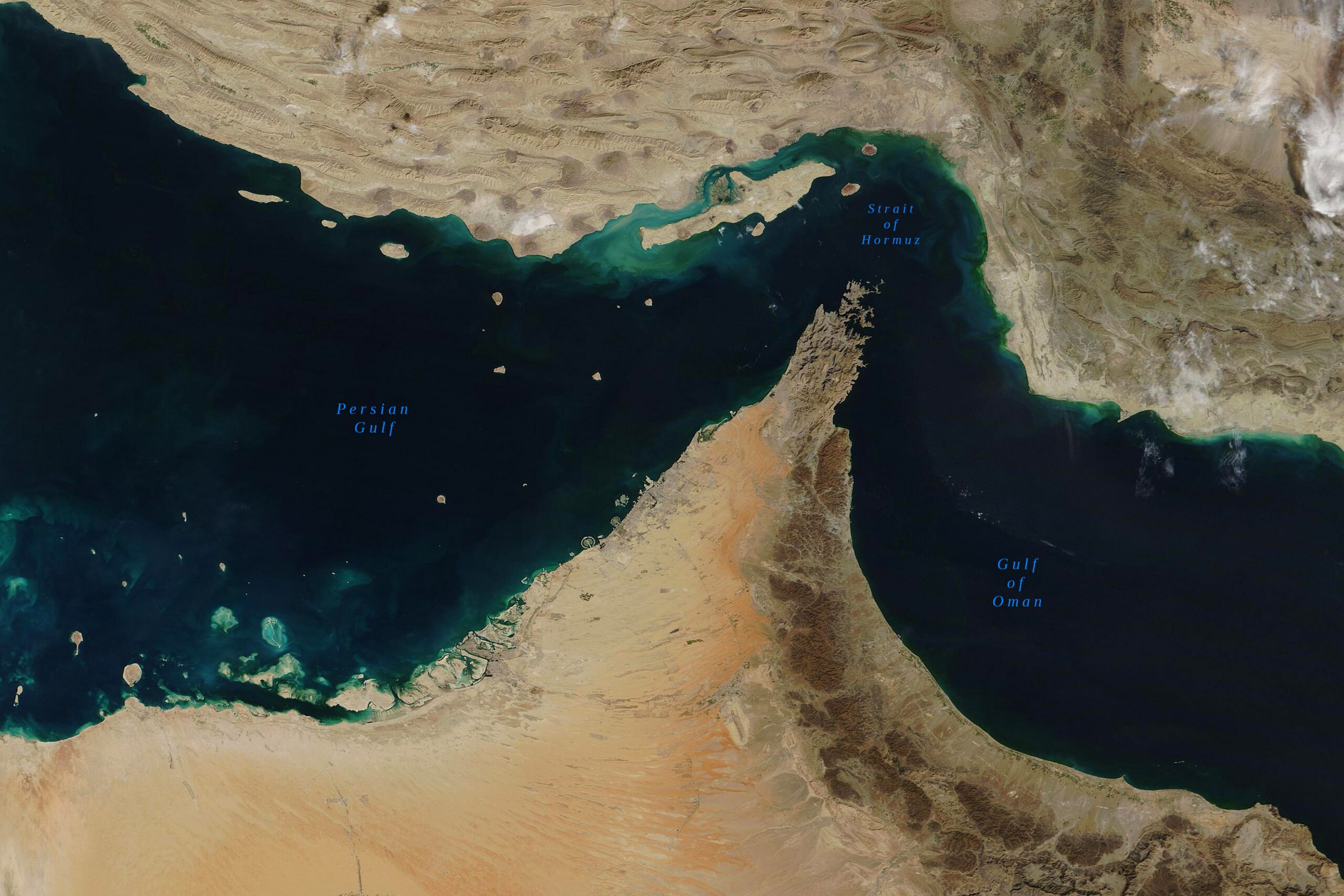
The Strait of Hormuz remains effectively closed, with commercial transit reduced to a near-trickle despite a US-Iran ceasefire signed in April 2026, leaving over 150 vessels stranded and oil prices surging as roughly 21% of global oil supply faces disruption[2][5].
Historical precedents for such chokepoint closures, including the 100-day operational shutdown that began in late February 2026, demonstrate that even after diplomatic agreements, commercial routing uncertainty and asymmetric threats like drone attacks keep traffic suppressed well below the 60 daily vessels required for this market to resolve positively[2][4]. The brief reopening on 21 April 2026, which closed again within 24 hours, underscores the fragility of any temporary access and validates the current 15% crowd-implied probability of a full return to normal by June[5].
Traders must monitor the US Navy-led Joint Maritime Information Centre’s weekly assessments for any shift in routing certainty, alongside Iranian officials’ repeated suggestions of imposing tolls for passage, which carry severe sanctions risks for non-US entities under recent US Treasury advisories[2]. The expiration of war risk cover and the threat of missile attacks continue to deter tanker owners, while the Baltic Exchange MidEast Gulf to China index has tripled, indicating that capacity constraints and surcharges will likely persist through the settlement window[1][2].
Regarding regulatory accessibility, German GlüStV implications and US CFTC reach mean that while this market operates under strict oversight, the 'no-KYC up to $1,500' threshold allows retail participants to access these macro-geopolitical positions without immediate identity verification, provided they remain within the specified limit and comply with local tax reporting obligations.
Methodology
We track Strait of Hormuz traffic returns to normal by end of June? on the five venues with material liquidity for prediction markets. Live odds come from the Polymarket Polygon order book — the only source that ships real-time data under an open licence. For Kalshi, Betfair and Manifold we list platform attributes (fee, KYC, settlement, payment) instead of fabricated odds, because their APIs use non-comparable contract definitions.
Resolution & payout
At resolution the UMA oracle takes over: a proposer posts the outcome with a bond, any token holder can dispute within two hours. Without dispute the result is accepted and the smart contract distributes USDC instantly.
On Kalshi (CFTC-regulated) resolution runs through their in-house clearing engine in USD. Betfair Exchange settles after match end in the account's local currency. Manifold pays no cash — only its in-platform "mana" currency.
FAQ
- Where can I trade this market with the lowest fees?
- On PolyGram, which mirrors the Polymarket order book at 0% fees. Kalshi charges up to 7% per trade; Betfair Exchange takes 2-5% commission on net winnings.
- How does resolution work?
- Through the UMA Optimistic Oracle on Polygon: a proposer submits the outcome, a two-hour challenge window opens, and USDC payouts settle automatically once the result is final.
- What's the difference between YES and NO shares?
- A YES share pays $1.00 if the event happens, $0 otherwise. A NO share pays $1.00 if the event doesn't happen. The market price between 0¢ and 100¢ is the implied probability.
- What does it cost to trade on PolyGram?
- Zero. PolyGram routes every order to the live Polymarket order book; the only cost is the Polygon network fee, typically under $0.01 per transaction.
- How fast are USDC deposits?
- Polygon credits deposits after 12 confirmations — usually under 30 seconds. Withdrawals follow the same path and land back in your wallet within minutes.
%22%2F%3E%3Cpath%20d%3D%22M%206%2066%20A%2026%2026%200%200%201%2058%2066%22%20fill%3D%22%23E6B98D%22%20opacity%3D%220.9%22%2F%3E%3Ccircle%20cx%3D%2232%22%20cy%3D%2226%22%20r%3D%2222%22%20fill%3D%22%23F5CBA7%22%2F%3E%3Cpath%20d%3D%22M%2010%2026%20A%2022%2028%200%200%201%2054%2026%22%20fill%3D%22%237c3aed%22%20opacity%3D%220.9%22%2F%3E%3C%2Fsvg%3E) and
and%22%2F%3E%3Cpath%20d%3D%22M%206%2066%20A%2026%2026%200%200%201%2058%2066%22%20fill%3D%22%23E6B98D%22%20opacity%3D%220.9%22%2F%3E%3Ccircle%20cx%3D%2232%22%20cy%3D%2226%22%20r%3D%2222%22%20fill%3D%22%23F5CBA7%22%2F%3E%3Cpath%20d%3D%22M%2010%2018%20Q%2016%204%2026%2010%20Q%2020%202%2032%206%20Q%2044%202%2038%2010%20Q%2048%204%2054%2018%22%20stroke%3D%22%237c3aed%22%20stroke-width%3D%224%22%20fill%3D%22none%22%20stroke-linecap%3D%22round%22%2F%3E%3C%2Fsvg%3E)
Trade Strait of Hormuz traffic returns to normal by end of… on PolyGram
Live order book, 0% fees, USDC settlement in seconds.
Trade on PolyGram →